
Lilienthal
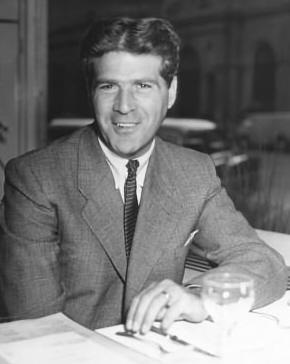
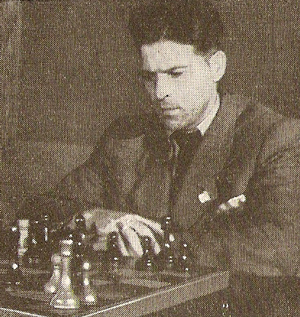
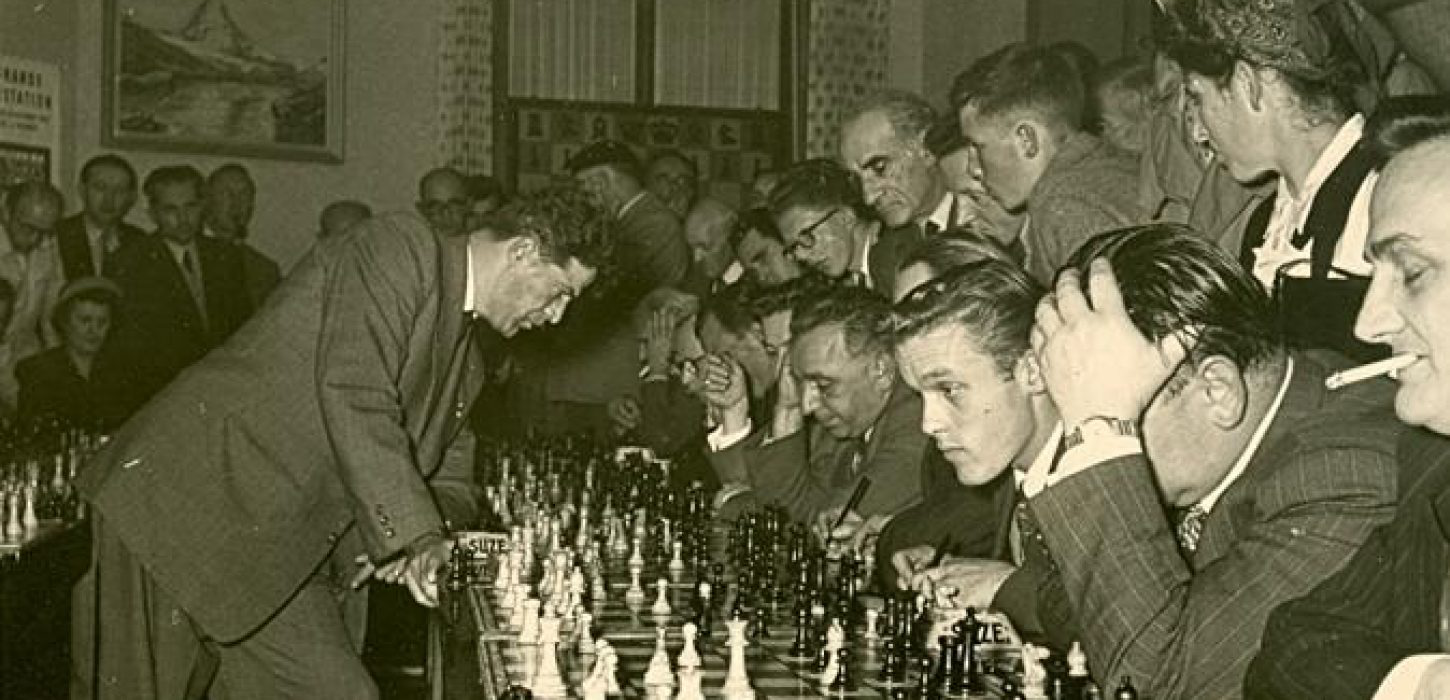
Andor Lilienthal (5 May, 1911 - 8 May, 2010) was a Hungarian-Soviet chess Grandmaster, Soviet Champion, and World Championship Candidate. During his long career he played with ten male and six female world champions.
He was born in a Jewish family. His mother was a singer and due to a Moscow performance she gave birth to Lilienthal in the Russian capital. At the age of two his parents brought him to Hungary.
He began his training as a fabric cutter and he learned to play chess at the age of 15 when he was an apprentice. In the Paris competition of 1930 he made a great performance, and with this he achieved instant notoriety.
In the 1931 Hungarian Championship he finished third place, then, in 1933 he obtained the same result. In 1933, he won in Madrid and Milano. In 1934, he tied for 2nd-3rd place in Maróczy Memorial then he won the international tournaments in Budapest (Újpest) and in Sitges. In this year he tied for 2nd-3rd place with Alekhine in the Hastings Tournament. In 1935, he beat Capablanca and was invited to the Second International Chess Tournament in Moscow, where he placed third.
In 1939, he acquired Soviet citizenship, and played in the Soviet Championship eight times. His best achievement was a shared first place with Igor Bondarevsky in 1940.
He participated in three chess Olympiads as a member of the Hungarian team. In 1933 and 1935, he won one individual gold medal on both occasions. At the 1937 Stockholm Olympiad he scored 70 % on first board, leading the Hungarian team to a silver medal.
In 1938, he won the Belarusian Chess Championship.
In 1950, he qualified for the Candidates Tournament, where he finished 8th-10th place. Between 1951 and 1960, he was Tigran Petrosyan’s trainer.
In 1976, he returned to Budapest, Hungary. He died at the age of 99, and in his final years he was the oldest living chess Grandmaster.
According to the Chessmetrics historical rating he had 2710 as his highest rating, at the peak of his career he was one of the ten best players in the world.
Sources: https://hu.wikipedia.org; https://en.wikipedia.org;
http://www.chessmetrics.com